What Is a Urinary Tract Infection?
A urinary tract infection is an infection that occurs when bacteria or fungi enter and multiply within the urinary tract. "UTI" is an umbrella term — the specific name depends on where the infection takes hold, from the urethra and bladder in the lower tract to the kidneys in the upper tract.
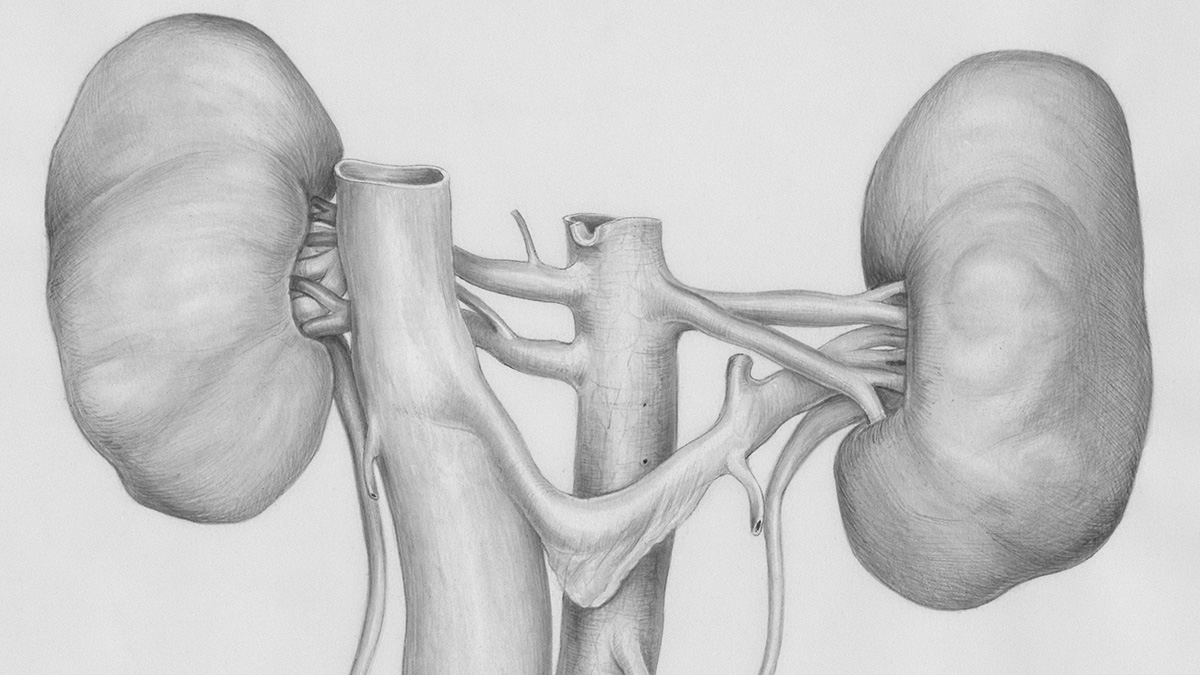
The urinary tract is the system your body uses to make and remove urine: the kidneys filter waste from the blood, the ureters carry urine to the bladder, the bladder stores it, and the urethra passes it out of the body. When certain bacteria or fungi make their way to any of these areas, the result is a UTI. Lower-tract infections of the bladder and urethra are the most common and are usually less serious; upper-tract infections that reach the kidneys are less common but need immediate attention.
| Type | Where it occurs | Common name | Tract |
|---|---|---|---|
| Cystitis | Bladder | Bladder infection | Lower |
| Urethritis | Urethra | — | Lower |
| Pyelonephritis | Kidneys | Kidney infection | Upper |
Uncomplicated vs. Complicated UTIs
An uncomplicated UTI occurs in an otherwise healthy person with a normal urinary tract. A complicated UTI is one made more difficult to treat by an underlying factor — such as pregnancy, a structural or functional abnormality, a catheter, a weakened immune system, or infection in a male patient.
Not all UTIs are equivalent, a lot of it has to do with what underlying medical conditions a person may have. UTIs may be categorized into two types: uncomplicated or complicated. The distinction matters because it changes how a UTI is evaluated. Uncomplicated infections often follow a predictable pattern. They are often straightforward to diagnose and treat. On the other hand, complicated UTIs (also referred to as cUTIs) are less predictable. These infections often involve less common pathogens, may carry a higher chance of treatment failure due to antibiotic resistance, or may put the patient at higher risk of complications, such as progression to a kidney infection or urosepsis.
Recurrent UTIs
A recurrent UTI is clinically defined as a UTI in a patient that has experienced a UTI episode in the past 6 months, or three in the past year. Recurrence is a signal worth investigating rather than simply treating each episode as a one-off.
Recurrent UTIs are further classified by the cause of recurrence: relapse and reinfection. Relapse occurs when a patient's symptoms return after antibiotic treatment. Their symptoms may temporarily improve and then come back within a few days after completing their course. In this case, the original pathogen(s) causing their UTI were never eliminated. This can happen if the chosen drug does not work for the pathogen causing the infection.
Reinfection is the opposite of relapse. In these cases, a patient's UTI responds well to the antibiotic prescribed. The symptoms fully resolve, and there is an extended period of relief. At some point following treatment, a pathogen reaches the urinary tract and causes a new UTI. The pathogen can be the same as the one the patient was previously infected with, but is only defined as a reinfection if a certain length of time has passed since taking antibiotics.
If you keep getting UTIs, repeated rounds of antibiotics may address each episode without addressing why the infections return in the first place. Recurrent cases are exactly where standard testing sometimes falls short and where a closer look at the underlying organism and its resistance patterns can help. This is covered in the diagnosis and culture-negative sections below.
What Causes UTIs?
UTIs are caused by pathogens entering and multiplying in the urinary tract. The pathogens can damage to the lining of the bladder and alter the composition of urine, triggering symptoms.
The majority of UTIs begin when bacteria that normally live in the digestive tract reach the urinary tract and take hold. E. coli is the organism behind most uncomplicated UTIs, but it is not the only possible cause. Other bacteria, and in some cases fungi, may cause UTIs. The most common diagnostic test, standard urine culture, does not reliably detect all potential organisms that can cause a UTI. This is important to understand in case a standard urine culture comes back "negative" or "no growth." It may mean the pathogen was missed.
UTI Symptoms
Common UTI symptoms include a burning sensation when urinating, a frequent or urgent need to urinate, cloudy or strong-smelling urine, and pelvic discomfort. Symptoms involving the kidneys — such as fever, back or flank pain, and nausea — can signal a more serious infection requiring immediate care.
UTI symptoms vary depending on which part of the urinary tract is affected. Lower-tract infections tend to produce urinary symptoms you feel directly, while upper-tract infections reaching the kidneys often add whole-body symptoms like fever and pain. Symptoms can also present differently in different people, which is one reason accurate diagnostic testing matters for confirmation.
| Lower tract (bladder / urethra) | Upper tract (kidneys) |
|---|---|
| Burning during urination | Fever and chills |
| Frequent or urgent urination | Back or flank pain |
| Cloudy or strong-smelling urine | Nausea or vomiting |
| Pelvic pressure or discomfort | Feeling generally unwell |
When to See a Doctor for a UTI
See a healthcare provider if you have UTI symptoms accompanied by fever, back or flank pain, blood in the urine, symptoms during pregnancy, or symptoms that don't improve — these can indicate a more serious or harder-to-treat infection.
Mild lower-tract symptoms are worth a call to a provider; the warning signs above warrant prompter attention. Anyone who is pregnant, has a known urinary-tract condition, or experiences repeated infections should be evaluated rather than managing symptoms alone.
UTI Risk Factors and Prevention
Several factors raise the risk of getting a UTI, including female anatomy, sexual activity, hormonal changes, catheter use, and certain health conditions. While not every UTI is preventable, some everyday habits may help reduce risk.
Risk factors for UTI
Some risk factors are anatomical and outside a person's control, while others relate to behavior or health status. Understanding which apply to you can help you and your provider decide which prevention methods may work for you and when advanced diagnostic testing makes sense.
| Category | Examples |
|---|---|
| Anatomical | Female anatomy (shorter urethra), structural abnormalities of the urinary tract |
| Hormonal | Menopause and related hormonal changes |
| Behavioral | Sexual activity, certain hygiene practices |
| Medical | Diabetes, weakened immune system, urinary retention, catheter use, kidney stones |
| History | Prior UTIs or recurrent infections, history of urological surgery |
The list of risk factors for UTI in the table above is not exhaustive. There are a number of conditions that may increase a person's risk of getting a UTI, from UTIs after menopause to UTIs in men. You can learn more about different risk factors in our blog or ask your provider directly which may apply to you.
How to Prevent UTIs
To help reduce UTI risk, general measures include staying well hydrated, not delaying urination, and urinating after sexual activity. People with recurrent UTIs should talk to a provider about a tailored prevention plan.
Prevention advice works best when it's matched to your risk factors rather than applied one-size-fits-all. Widely recommended, low-risk habits include drinking enough fluids so you urinate regularly, responding to the urge to urinate rather than holding it, and practicing good bathroom hygiene. Other prevention measures may include over-the-counter supplements/probiotics, certain prescription medications, as well as identifying and changing behaviors that could increase your risk of getting a UTI.
For anyone dealing with frequent or recurrent infections, prevention is a clinical conversation, not just a lifestyle one. A provider can look at whether underlying factors are driving recurrence — and, as the next sections explain, whether standard testing has actually identified the organism responsible. Importantly, always ask your provider before changing your routine.
How Are UTIs Diagnosed?
UTI is a clinical diagnosis made by a provider after taking into account a patient's current symptoms, medical history, and lab results. The most common lab tests used are urinalysis and standard urine culture. Urinalysis provides fast, indirect signs of infection. Urine culture identifies the specific bacteria, however not all species are reliably detected through urine culture.
A UTI is a clinical diagnosis made by a healthcare provider. During your visit, they will ask about current symptoms, review your medical history, and place an order for laboratory testing. They will ask for a urine sample which will be used for two types of tests –– urinalysis and urine culture.
Urinalysis for a UTI
Urinalysis is a type of test that looks for signs of infection by assessing the physical and chemical properties of a urine sample. Some examples are how many white blood cells are present (cells that fight infection) or how cloudy the urine might be. When these various properties are looked at together, the provider can more confidently determine whether or not the cause of the patient's symptoms are due to an infection.
Ultimately, urinalysis is a screening step. It can quickly suggest whether an infection is likely, which is useful for an initial decision, but it doesn't tell a the provider which organism is present or which antibiotics will work against it. For that reason, standard urine culture is often ordered at the same time.
Urine Culture for a UTI
Following urinalysis is standard urine culture. For this test, a small amount of urine is smeared across a petri dish that contains nutrients that help bacteria grow. After a few days, the petri dish is examined to see which bacteria, if any, grew on it. When an infection involves an organism that doesn't grow well under standard conditions, a culture can come back negative even though an infection is present.
For persistent, recurrent, or complicated infections, it's worth understanding what each test can and can't tell you. The standard workflow has real limitations that affect a meaningful number of patients.
Negative Urine Culture with Symptoms: What it May Mean
A culture-negative UTI is when someone has clear UTI symptoms but a standard urine culture comes back negative, "normal", or "no growth." This often happens because the culture didn't detect the responsible organism, also called a false-negative.
If you have real, ongoing UTI symptoms but your urine culture keeps coming back negative, the result can be confusing and frustrating. One common explanation is that the organism causing the infection isn't one that a standard urine culture reliably grows. Because standard cultures are optimized for the most common uropathogens, infections involving less common, slow-growing, or fastidious organisms can slip through as a negative result. These are called culture-negative UTIs. Between 20-30% of urine cultures in otherwise health outpatient women are false-negatives, and the performance is even worse for patients with complicated UTIs.
When cultures repeatedly come back negative despite ongoing symptoms, it can be worth asking whether a broader testing approach — one that doesn't depend on growing the organism in a lab — could identify what a culture missed.
Read more: why a urine culture can come back negative · Clinical Metagenomics.
| Method | What it detects | Turnaround | Key limitation |
|---|---|---|---|
| Urinalysis | Indirect signs of infection | Minutes–hours | Doesn't identify the organism |
| Standard urine culture (SUC) | Common bacteria | ~2–5 days | May miss slow-growing, fastidious, or atypical organisms |
| Enhanced Quantitative Urine Culture (EQUC) | Wider range of bacteria and fungi as compared to standard urine culture | 2–5 days | May miss atypical organisms and certain fungi |
| Polymerase-chain Reaction (PCR) | Depends on the test | 1–2 days | If the organism wasn't included in the test, it will miss it |
| 16s sequencing | Bacteria only | 2–5 days | Cannot detect fungi or antimicrobial resistance markers; high risk of contamination; not widely covered by insurance |
| Clinical metagenomic sequencing | Bacteria and fungi, including atypical organisms | 2–3 business days | Not widely covered by insurance |
Molecular UTI Testing
Molecular UTI tests detect microbial DNA directly from a urine sample. Because they don't rely on growing bacteria in a culture, they can identify organisms that standard cultures miss — including slow-growing, fastidious, and atypical pathogens. The three most common molecular approaches used for UTI diagnostics are PCR, 16s sequencing, and clinical metagenomic sequencing.
Unlike culture-based testing which must grow an organism to detect it, molecular diagnostic tests look for the genetic signatures of microbes present in a sample. These approaches differ in how broadly they look, what they can detect, and what tradeoffs they carry — which matters most for people who experience recurrent, complicated, or culture-negative UTIs.
Polymerase-Chain Reaction (PCR)
PCR testing makes copies of specific stretches of DNA to detect a pre-defined list of pathogens. These types of tests are highly accurate as only a little bit of the pathogen's DNA needs to be present for the test to find it. Turnaround is typically 1–2 days, which is faster than most other testing options. However, it also has limitations.
Because each PCR test is designed to look for a fixed number of pathogens, it can only detect the pathogens it was built to find. In other words, if the pathogen causing an infection isn't on the panel, the PCR test will miss it. PCR panels for UTIs vary widely in what they include, so the value of a PCR result depends on which organisms the test was designed to detect.
16s Sequencing
16s sequencing, a type of next-generation sequencing, reads a bacterial gene (the 16s rRNA gene) that's shared across bacterial species but varies enough to identify what's present. What was found in the urine sample is compared to a database of pathogen genetic information, which is what is used to determine which species are present. Turnaround is generally 2–5 days, which is about the same turnaround time as urine culture. While this approach greatly improves the breadth of bacteria that can be detected, it too has limitations.
Because it targets a bacteria-only gene, 16s sequencing cannot detect fungi or antimicrobial resistance markers. This means that separate testing is required if there is concern that the UTI is caused by a fungus or if the pathogen may be resistant to certain drugs. It also carries a high risk of contamination during processing and is not widely covered by insurance.
Clinical Metagenomic Sequencing
Clinical metagenomic sequencing, another type of next-generation sequencing, casts the widest net of any molecular diagnostic testing approach. Rather than targeting a fixed panel or a single gene, it sequences all of the microbial DNA in a sample, which allows it to identify bacteria and fungi — including atypical organisms — in a single test. Because this test reads pathogen genomes, these types of tests are able to return much more detailed information about any pathogens detected, such as antimicrobial resistance markers and virulence factors. Turnaround is typically 2–3 business days.
As a newer technology, it is important that the provider understands how to accurately interpret test results. It is a common misconception that the urinary tract is sterile. In fact, clinical metagenomic sequencing has been used to characterize the different microorganisms that colonize the urinary tract. Not every microorganism present needs to be treated, nor is every microorganisms found clinically-actionable. Similar to 16s sequencing, clinical metagenomic-based tests are not widely covered by insurance.
Biotia specializes in clinical metagenomic-based diagnostic testing. The BIOTIA-ID Urine Test uses this type of technology. We developed this test in collaboration with clinical microbiologists and leading clinicians in the UTI field. The BIOTIA-ID Urine Test looks for 44 key UTI-causing pathogens and a broad panel of antimicrobial resistance markers from a single urine sample. To help providers interpret the test results, these pathogens were selected intentionally: they are the cause of an overwhelming majority of UTIs across all patient types and there are tangible next steps a provider can take if one is found.
The BIOTIA-ID Urine Test can be accessed in two ways. Patients who experience recurrent urinary symptoms, meet complicated UTI criteria, or recently tested negative by urine culture may collect a urine sample at home after purchasing a test kit from our website. These patients will get access to UTI-specialist providers from Clinova Solutions to discuss their symptoms, test results, and treatment/prevention options.
Alternatively, providers may request test kits be delivered to their practice location to use during in-person patient visits. Providers may place orders for the BIOTIA-ID Urine Test on the Biotia Portal or send a completed test requisition form along with the patient's urine sample. The cost of the test will either be invoiced to the patient or the provider's practice.
Biotia is working to obtain insurance coverage for the BIOTIA-ID Urine Test. We currently do not accept insurance for this test, nor the telehealth services accompanying the at-home testing service. We anticipate obtaining coverage in 2027. The test is HSA/FSA eligible.
Learn more: BIOTIA-ID Urine Test · Clinical Metagenomics.
UTI Treatment
UTIs are usually treated with antibiotic or antifungal medication prescribed by a healthcare provider. The right treatment depends on the type of infection, the pathogen(s) responsible, and individual health factors — which is why an accurate diagnosis matters as much as the prescription itself. Depending on a patient's medical history, additional prescriptions or procedures may be performed to treat their UTI.
UTIs are treated with antimicrobials, or medications that kill microbes. Because most UTIs are caused by bacteria, more often than not a doctor will prescribe an antibiotic to treat a UTI. If a UTI is caused by a fungal pathogen, then the doctor will prescribe an antifungal medication. The most effective choice depends on what's actually causing the infection and whether it is resistant to particular drugs. A clinician weighs the type and location of the infection, your health history, and — where available — testing results when deciding on a course. While these are the basics of how a provider would treat a UTI, "treatment" is not one-size-fits-all. Everything below is general education; treatment decisions are a conversation between a patient and their provider.
Empiric vs. Targeted Treatment
Empiric treatment means prescribing a likely-effective antibiotic before test results are back; targeted treatment uses antimicrobial susceptibility testing or antimicrobial resistance profiling to identify which drugs may work for the specific pathogen. Targeted treatment is generally more precise, especially when resistance is a concern.
Because waiting for results isn't always practical and patients may be dealing with severe or disruptive symptoms, many providers decides to treat UTIs empirically at first. This works well when the infection is caused by a common, susceptible pathogen. When it isn't — because the pathogen is uncommon or resistant — empiric treatment can fail, leading to persistent symptoms or relapse. Targeted treatment is typically the preferred approach as it helps slow the spread of antimicrobial resistance and ensures the treatment will work on the pathogen causing the UTI. This is the direct link between good diagnosis and effective treatment, and it's why the test type matters more than patients and providers may think.
Treating Uncomplicated vs. Complicated and Recurrent UTIs
Uncomplicated UTIs often respond to a straightforward course of antibiotics, while complicated or recurrent UTIs may require broad-spectrum medications, longer treatment courses, evaluation of an underlying cause, and additional prescriptions or procedures.
An uncomplicated bladder infection in an otherwise healthy person is typically more predictable to treat. A more thorough approach is often necessary for complicated and recurrent UTIs. That can mean confirming the specific pathogen and its resistance profile through the use of an advanced test (like the BIOTIA-ID Urine Test), managing the risks of complications due to the infection, and looking for a reason the infections recur.
There are a number of additional evaluations, procedures, and prescriptions a provider might request for complicated and recurrent UTI patients. For example, they may ask to do a cystoscopy, or a procedure that involves using a tiny camera to examine the inside of the bladder. Another example would be removing a urinary catheter and replacing it with a new one. For other prescriptions, they may prescribe certain medications to help manage symptoms, vaginal estrogen to help prevent future recurrences, or suggest a probiotic.
Treating complicated and recurrent UTIs does not begin and end at an antibiotic prescription. Treatment decisions should be determined by a licensed healthcare provider. Always consult your doctor if you are experiencing UTI symptoms instead of trying to treat your infection alone.
Why Some UTI Treatments Fail
A UTI may not go away with treatment if the prescribed medication doesn't match the pathogen, if the pathogen is resistant, or if the original diagnosis missed the true cause. Persistent or recurring symptoms after treatment are worth re-evaluating rather than simply starting another course of medication.
When a UTI doesn't respond to a medication at all — or temporarily clears and then quickly returns after completing the treatment course — a few explanations are common: the pathogen was resistant to the prescribed drug, the infection involved a pathogen the initial test didn't identify, or another condition was producing similar symptoms. Each points back to the same theme: the more precisely the underlying cause is identified, the better treatment can be matched to it. If your UTI keeps coming back or won't clear, that's a reason to ask your provider for advanced diagnostic testing rather than continuing to take try different antibiotic or antifungal medications.
UTIs and Antimicrobial Resistance
Antimicrobial resistance is a growing challenge in treating UTIs. When the bacteria or fungi causing an infection don't respond to commonly prescribed treatment, the infection can persist or return. This is why identifying the organism and its resistance profile before beginning antibiotic or antifungal medication is important.
UTIs are frequently treated empirically, meaning a clinician prescribes treatment before knowing exactly which pathogen is present or how it will respond. When resistance is involved, that first-choice antibiotic (or antifungal) may not work, leading to lingering or recurring infection. Knowing the specific pathogen and which drugs it may be resistant to supports more targeted treatment and is central to antibiotic stewardship.
Antimicrobial resistance can develop and spread in a few different ways. Some pathogens are intrinsically resistant to certain medications, meaning that something about the pathogen enables it to survive in the presence of the drug. In other cases, pathogens evolve to develop resistance to certain antimicrobial drugs. Through a process called selection, the susceptible bacteria and fungi are killed, while the resistant bacteria and fungi survive. The ones that survive reproduce, passing along the genes that enabled them to survive in the presence of the medication. This is why it is especially important to finish the full course of antibiotic or antifungal medication, even if you begin to feel better after a few doses. The last way pathogens can become resistant is through gene transfer. Some bacteria and fungi may share their genes with similar species, enabling the spread of resistance without the use of antimicrobial drugs at all.
Related: Antimicrobial Resistance · how AI and genomics accelerate resistance detection.
When to Seek Further Care
Contact a provider if UTI symptoms don't improve with treatment, return soon after finishing your prescription, or worsen — particularly with fever or back pain, which can indicate the infection has reached the kidneys.
Treatment that isn't working is itself useful information. Symptoms that persist, escalate, or recur shortly after a course of antibiotics should be made known to your provider rather than waited out, especially if new whole-body symptoms appear. During your appointment, ask your provider about advanced diagnostic testing for UTIs, such as the BIOTIA-ID Urine Test. Additionally, discuss with your provider other testing, examinations, or evaluations that could be done to investigate whether the cause of your symptoms may be due to another urinary condition, such as overactive bladder (OAB), interstitial cystitis/bladder pain syndrome, post-UTI hypersensitivity, chronic non-bacterial prostatitis, pelvic floor dysfunction, and others.